


Stop Hair Fall in Pakistan With Herbal Shampoo and Natural Habits
What Causes Hair Loss in Adults in Pakistan?
Distinguish temporary shedding from gradual thinning and patchy hair loss
Losing 50 to 100 hairs a day is normal, but sudden heavy shedding, a widening part, or bald spots point to a problem worth investigating. Knowing which pattern you have is the first step toward the right response.
- Temporary shedding (telogen effluvium): Hair falls out in large amounts, often two to three months after a trigger such as fever, surgery, or childbirth. It usually settles on its own.
- Gradual thinning: A widening part, a receding hairline, or a thinner ponytail suggests pattern hair loss, which develops slowly over years.
- Patchy loss: Round, smooth bald areas may signal alopecia areata, an autoimmune condition that needs medical evaluation.
A simple check helps: gently pull a small section of hair. If more than a few strands come away each time, shedding may be active. Taking monthly photos of your parting also helps you track changes objectively.
Consider common causes, including genetics, illness, stress, nutrition, and scalp conditions
Adult hair loss rarely has one cause. Several factors often overlap, and identifying yours makes it easier to choose the right care.
- Genetics: Family history is the leading cause of gradual thinning in both men and women.
- Illness and hormones: High fever, thyroid disorders, and polycystic ovary syndrome (PCOS) can all disrupt the hair cycle.
- Stress: Emotional or physical stress can push many follicles into the resting phase at once.
- Nutrition: Low iron, vitamin D, or protein intake is common and can weaken hair growth.
- Scalp conditions: Dandruff, seborrheic dermatitis, and fungal infections cause inflammation that may increase shedding.
Hard water, heat styling, and tight hairstyles can add further strain. A clearer picture of your trigger will guide your next steps.
How to Choose a Herbal Shampoo for Hair Loss in Pakistan
Once you understand what may be driving your hair fall, choosing a shampoo becomes much easier. The best herbal shampoo matches your scalp type, uses recognizable ingredients, and sets honest expectations. Shampoo mainly supports a clean, comfortable scalp. It cannot correct hormonal, nutritional, or genetic causes on its own.
Compare ingredients, scalp needs, and realistic evidence for herbal shampoo
Start with your scalp. Oily or flaky scalps often do well with cleansing botanicals such as neem, reetha, and amla. Dry or sensitive scalps usually need softer, moisturizing formulas with aloe vera or hibiscus. Research on herbal extracts is still limited, so treat them as supportive care rather than proven regrowth treatments.
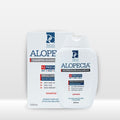
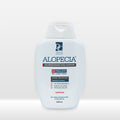
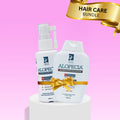
If you want a ready-to-use option, the Anti Hair Loss Herbal Shampoo 300ml is a practical choice for adults who want a plant-based formula that fits into a regular wash routine. Use it consistently for several weeks and track changes in shedding and scalp comfort.
Check labels and avoid products that irritate the scalp or promise guaranteed regrowth
Read the label before you buy. A trustworthy shampoo lists its ingredients clearly and makes modest claims. Be cautious if you notice any of these warning signs:
- Promises of "guaranteed" or "overnight" regrowth.
- Heavy artificial fragrance or strong alcohol, which may sting or dry the scalp.
- No ingredient list, or vague terms like "secret herbal blend."
- Claims that a shampoo replaces medical treatment.
Patch test a small amount on your inner forearm first, especially if you have sensitive skin. Stop using any product that causes burning, redness, or increased itching. If shedding continues or worsens after two to three months, consult a dermatologist.
Natural Ways to Manage Hair Fall With Everyday Habits
Daily habits can reduce hair fall by lowering breakage, keeping the scalp calm, and giving follicles the nutrients and rest they need. Even the best herbal shampoo works better when your routine protects the hair you already have.
Build a hair-friendly routine with gentle washing, conditioning, and low-tension styling
The gentlest routine uses lukewarm water, a mild shampoo, and a light touch. Massage the scalp with your fingertips rather than your nails, and apply conditioner to the mid-lengths and ends only. Wet hair is fragile and stretches easily, so pat it dry with a soft cotton towel instead of rubbing.
- Detangle gently with a wide-tooth comb, starting from the ends and working upward.
- Avoid tight ponytails, buns, and braids that pull on the hairline.
- Limit blow-drying and flat-ironing, and use the lowest heat setting.
- Skip harsh dyes and chemical straightening while shedding is active.
- Rinse off oil thoroughly, since heavy buildup can irritate the scalp.
Support hair health with balanced nutrition, sleep, and stress management
Hair is made mostly of protein, so regular meals with lentils (daal), eggs, yogurt, fish, or chicken are a practical start. Iron-rich foods such as spinach and chickpeas, plus zinc sources such as nuts and seeds, also support healthy growth. Avoid starting high-dose supplements without a blood test, because excess amounts can cause problems of their own.
Aim for seven to eight hours of sleep each night. Build in stress relief such as a daily walk, deep breathing, or prayer and quiet reflection. Ongoing stress can push more follicles into the shedding phase, so steady routines matter more than occasional efforts.
Be patient, too. Hair grows slowly, so it usually takes about three to six months of consistent habits to notice less shedding.
If your hair loss is patchy, such as in alopecia, you may want targeted options alongside these habits. Browse the alopecia collection at Health Drive Pharmaceuticals to compare products designed for hair loss concerns.
Frequently Asked Questions About Hair Fall and Herbal Shampoo
Herbal shampoo can support a cleaner, calmer scalp and reduce breakage, but it cannot guarantee that hair fall will stop or that lost hair will regrow. Shampoo stays on the scalp for only a short time, so it works best as one part of a broader routine. If genetics, illness, or a nutritional gap is driving the shedding, the underlying cause needs attention too.
Most adults do well washing 2 to 4 times a week, depending on scalp oiliness, sweat, and dust exposure. In Pakistan's hot, humid weather, oily or sweaty scalps may need more frequent washing. Washing does not cause hair loss. The strands you see in the drain were already shed. Use lukewarm water, massage gently with your fingertips, and avoid harsh scrubbing.
See a dermatologist if you notice bald patches, sudden heavy shedding lasting more than three months, or a visibly widening part. Seek advice as well if your scalp is painful, red, scaly, or itchy, or if hair loss follows illness, childbirth, or a new medication. Early evaluation helps identify treatable causes such as thyroid problems, iron deficiency, or fungal scalp infections.
Yes. Both are well-recognized triggers. Severe stress, crash dieting, and low intake of protein, iron, zinc, or vitamin D can push more hairs into the shedding phase, a condition called telogen effluvium. Shedding usually appears two to three months after the trigger and often improves once the cause is corrected. Balanced meals, adequate sleep, and stress management support recovery.